Monday, January 16, 2023

Film Review: Blind Ambition (2017) by Warwick Ross, Robert Coe, ****

Synopsys

Four Zimbabwean refugees who were forced to flee their home country in search of a better life become Africa's best and most unlikely sommeliers and compete in the World Wine Blind Tasting Championships - the Olympics of the wine world.


"Blind Ambition" follows four friends who have conquered the odds to become South Africa's top sommeliers after escaping starvation and tyranny in their homeland of Zimbabwe. Driven by relentless optimism, a passion for their craft and a sense of national pride, they form Zimbabwe's first national wine tasting team and set their sights on the coveted title of "World Wine Tasting Champions."
(Rotten Tomatoes)


Review

The disaster that their government produced in Zimbabwe led droves to emigrate to neighbouring South Africa as the only option to survive. 

Many crossed the border as illegal aliens and ended up doing menial jobs but a few emerged with new careers. The four kids whose adventures are the subject of this documentary must rank among the top achievers in this group. It is in a way amazing that despite their running from a rotten dictatorship they still want to represent their country in an international contest.

Read my other reviews of films about wine here.

Wednesday, December 21, 2022

Bordeaux virtual master class and blind tasting

École du Vin tutors, Mike Turner and Leona de Pasquale took us through an introduction to Bordeaux.

By way of intro, we learned that Bordeaux is now 23% organic and % is growing.

Clairet can be seen as dark as Rose. Key differences between Rosé and Clairet are: Rosé: maceration normally for up to 12 hr or direct pressing Clairet: maceration 24-36 hrs Fermentation 18-20 °C and Clairet tends to go through MLF

They then challenged participants to a blind tasting to match the wines to their appellations before revealing their identities.

Leona de Pasquale was usefully on hand throughout the session to answer your questions in the chat box.

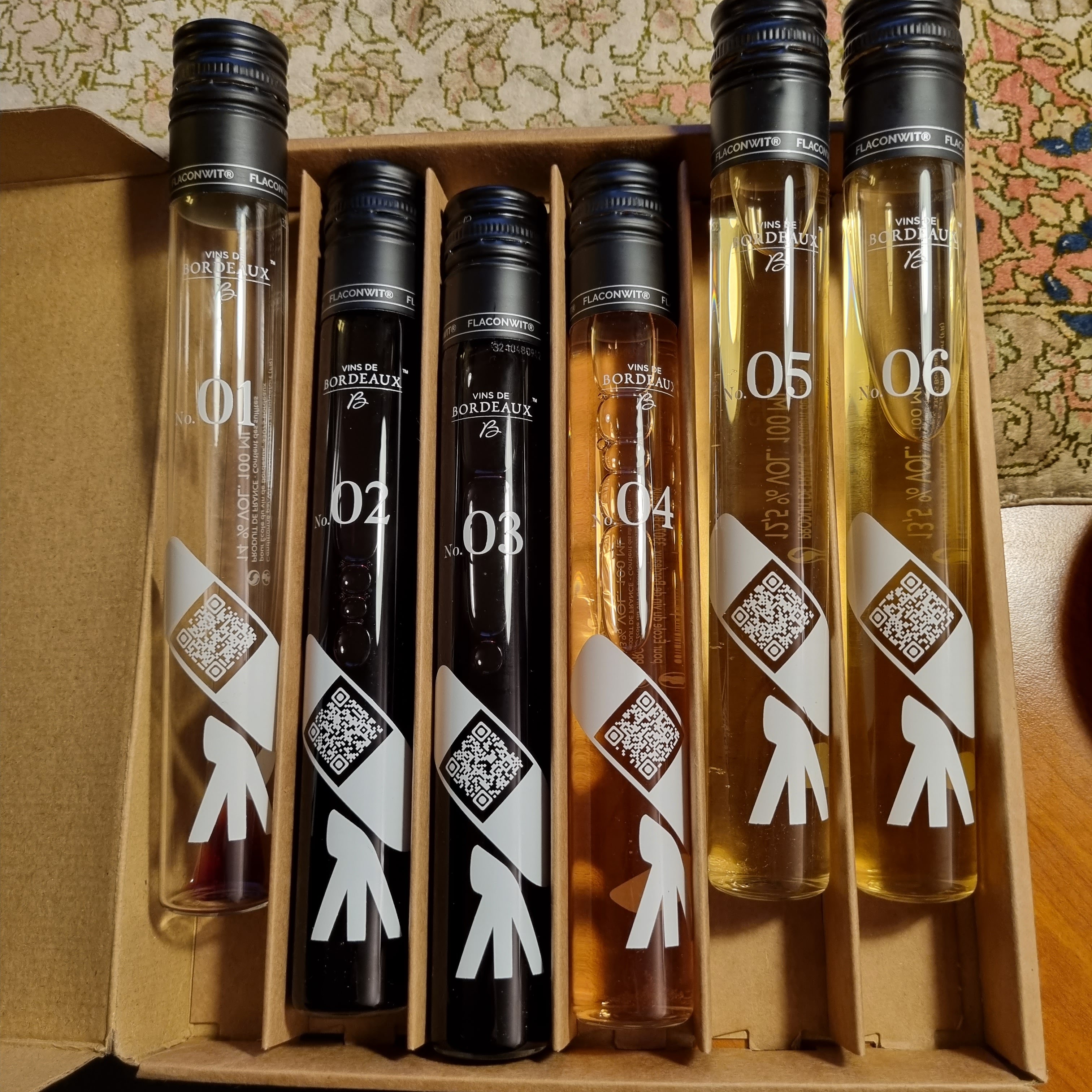
Here is what we tasted blind. I guessed two out of six right...

Wine n.1
Château Gaillard 2016 Saint Émilion Grand Cru
mod complex and long
merlot predominant 70%, 30% cab franc which still makes its presence strongly felt
50yo vines
aged in 225l barrels, one third new
14% abv

RRP £ 20-25
score 89


Wine n.2
Domaine Perganson L'Inattendu 2018, Haut Médoc
22% merlot, 23% cab sauvignon, 30% petit verdot, 18% malbec, 7% cab franc
aged 1 year in 225l barrels
still rough
avb 14.5%
RRP £ 14
score 84


Wine n.3
Clos du Notaire 2019 Cotes de Bourg
(CdBourg oldest vineyards in region, planted by Romans "Vitis Biturica"
merlot 100% organic, no barrel, no aging recommended
complex needs time to round out tannins
no oak and no sulphur
abv 15%
RRP £12-14
score 92


Wine n. 4
Chat La Freynelle 2020 rosé
100% cab sauvignon
20yo vines
direct pressing
Rosé made in whole of Bordeaux region, with many different soils and terroirs
short maceration method used to make rosé, a few hours max
fresh, strawberry
abv 13%
RRP £ 7-8
score 87


Wine n.5
Chat Haut-Rian 2020 Entre deux mères (two tides, comes from marée)
40% sauvignon blanc 60% semillon
35yo vines
4 months on lees
fresh citrusy
abv 12.5%
RRP £ 8-10
score 87


Wine n.6
Chat Faugas 2018 cadillac AOC
Semi sweet
late harvest
100% semillon
epoxy lined concrete
score 86
abv 13.5%
RRP £ 13-16
Score 88


Oenobordeaux App can be download for those who are interested.

Thank you Ecole du vins de Bordeaux


Monday, December 12, 2022

Meet the producer: Las Cepas, Rioja, Spain

An organic vineyard in Rioja, third generation of the family business. Overall Las Cepas plant 52 hectares in deep limestone soils. We had a chance to meet the producer at the 2022 online fair brilliantly organized by Onvinum, a new Spanish platform to bring together producers, buyers and educators. Here below my tasting notes for some of their wines.


Costalarbol white 2021
100% white Maturana

A not-so-common grape produced a fresh wine with apple notes that reveals a finely balanced finish. Moderately complex and long.
I paired it with raw spinach and seared sea bass.
Score 86

Salad of spinach and seared sea bass


Chinese-style fish head
Costalarbol red
100% Graciano grapes. 
It is a vigorous, I would say impetuous wine, it feels like an impatient teenager in the mouth. Young tannins next to red fruit, with moderate length. 

Good quality/price ratio. I paired with Chinese-style fish head, the slight spiciness might have called for a smoother wine but if fact it went pretty well with the lively Graciano, perhaps because the tannins matched the succulent sauce of the fish. I then killed off my glass with French Camembert cheese. 
Score 86


1921
Garnacha 100%
Vines that are up to  one-hundred-year-old for this wine of great character made with garnacha grapes. A smooth velvety wine, with good complexity, and considerable length.
Score 92


Egg noodles with peppers and pakchoi

Boca Chancla Crianza 2019
Tempranillo 100%
These vines are the oldest, they go from 40 all the way up to 100-year-old.
A smooth wine with elegance and moderate complexity. Ready with limited potential in the bottle. Paired with fresh egg noodles stirred with peppers and pakchoi.
Score 90


Rebuzno 2020
Maturana 100% (in Spanish it means "donkey")

Made with Maturana grapes, an old grape variety that was an icon of the Rioja countryside in olden days. It was later almost forgotten to the point it came close to risk of extinction, like donkeys! And now resurrected for an organic wine that is full bodied, big, almost opulent I would say. Can be paired with meat, of course, but also with a rich pasta sauce and, why not, stir-fried or baked fish.
Score 92


Here is a map in case you are in the region and want to visit Las Cepas, click to enlarge.


Sunday, December 11, 2022

Meet the producer: Menguante Granviu, Aragon, Spain

Map by Vineyards.com
A family (1 brothers 2 sisters) winery in Aragon, south of Rioja, with their vineyards (130ha) that have been producing wines since the XVIII century. Currently  planting about 5 to 10 new hectares every year as the demand for their wines is increasing.

Their vineyards are cultivated organically, as they were by the owners’ grandfather who started the business.  All vineyards are organic certified. As a result, yields are relatively low, totalling some 500k bottles per year overall. 

They put special emphasis on indigenous grapes, mainly White and Red Garnacha, Cariñena and Vidadillo. 

Three different ranges are produced: Menguante, Menguante Selección and Gran Viu.


Below our tasting notes on samples that were graciously provided to us.


Menguante Garnacha blanca selección 2020
smooth Vanilla aromas, almonds, touch of freshness for a balanced wine
Score 88


Menguante Tempranillo, "waning moon" 2020
right after opening it welcomed me with a slightly rough edge, but it became more balanced during the meal and the day after it was a perfect harmony of round tannins and fresh wild red berries
Score 89


Lettuce roots, porchetta and Menguante Garnacha

Menguante Garnacha 2021
At first it hit me with a hard sensation and the tannins seemed aggressive, but it was a trick: one hour after the bottle had been opened it revealed a velvety and classy caressing character which I paired with the utmost satisfaction to a dish of stir fried Chinese lettuce roots and Italian porchetta. The by now gentle tannins still displayed a strong character to envelop the meat's fat and deliver a harmonious match.
Score 93


Menguante Garnacha Selección
An elegant wine, with complex aromas and a powerful yet lively start in the mouth. Mature red fruits and a generous dose of tertiary sensations, especially wet tobacco and a hint of chocolate that makes one hope of further evolution. Ready now but I would venture to recommend some patience.
Score 92


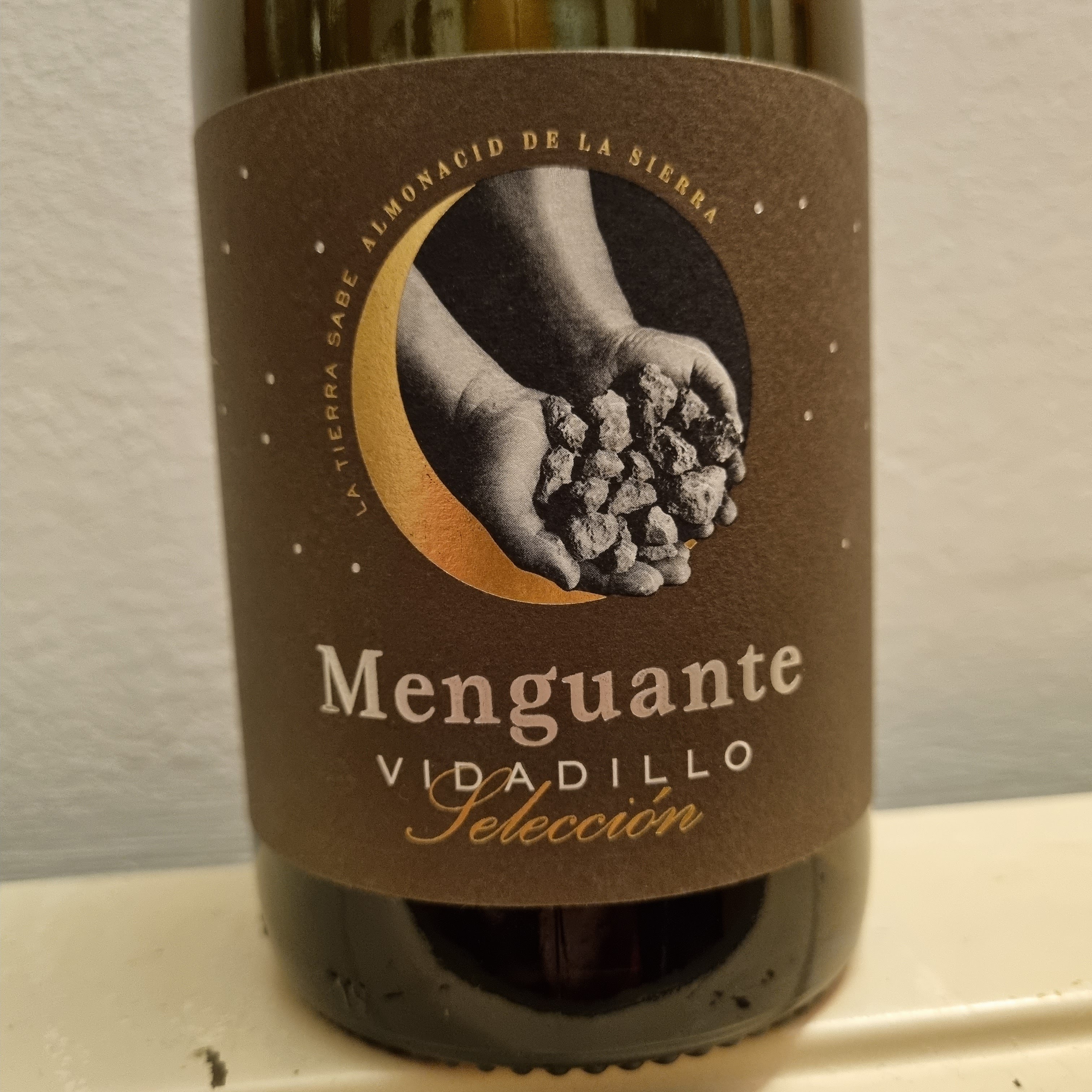
Menguante Vidadillo Selección 2017
A unique local variety, which only exists in their village Almonacid de la Sierra, south-west of Zaragoza, and they own 15 out of a total of 35 hectares dedicated to this variety.  

Grown in Almonacid de la Sierra, between 500 and 750 meters above sea level, produces a moderately structured wine with lots of fruits and moderate balance. Fruits sprints forward in the palate. It is also a fairly complex result with good length. Hard to predict its aging potential, as it is my first vidadillo, but I would say it is ready now. 
Score 90


Carinena Seleccion Granviu  2016
Garnacha, carinena and tempranillo blend, twelve months in French and American oak barrels.
Their best wine in this selection, intense ripe aromas and an elegant palate with tertiaries and good complexity and length. Ready now, the tannins are rounded as needed but it might still evolve a bit more in the bottle. I paired it to my great satisfaction with fried chicken on a bed of rocket.
Score 94


Map by Wine Folly


Monday, December 5, 2022

Masterclass on Lirac, Rhone Valley, by Jamie Goode

Jamie Goode explains Lirac
I confess I did not know much about Lirac until today. In fact, I am not sure I remember the last time I tasted a glass from this hidden gem, a real secret in the vast panorama of wines from the warmer regions of southern France. 

So I was ecstatic to accept a gracious invitation by the UK Sommelier Association to participate in a masterclass organized in cooperation with Cru des Côtes du Rhône and led by well known wine blogger Jamie Goode. Here below what we learned today, followed by my tasting notes.

Some numbers to keep in mind: In 2020 87% Lirac's production was red, 10% white and 3% rosé. The average annual yield is 24 hl for each of the 818 hectares in the whole Lirac AOC which lies immediately to the west of the Rhone river, just across the water from the famous Chateauneuf du Pape. Just over 20,000 liters produced, with some 40% exported.

Winemaking in Lirac goes back hundreds of years, and when the pope set up court in nearby Avignon in the XIV century they apparently appreciated it already! Closer to our days, it was in 1947 that the Lirac AOC (appellation d'origine contrôlée) was created as a cru of the Rhone Valley.

The climate benefits from a strong Mediterranean influence (2700 hours of sunshine per year) even if the sea is nowhere to be seen in Lirac.


Here below my tasting notes. All these wines are, in my opinion, ready now but the top of the range at the end of the tasting might benefit for a couple of extra years in the bottle.

Domaine des Maravilhas, Pradau 2019
Bourboulenc, Grenache blanc, 12.5%abv, 35+yo vines
Wild fermentation, 18mos in concrete and 12% in small oak
Fresh and fruity with pronounced minerality. RRO £ 12
Score 87

Château d'Aqueria 2021
Grenache blanc, bourboulenc et al for a stunning 14%abv
Balanced, notes of mint and almond, with a pleasant bitter end. RRP £ 11
Score 89

Les Closiers Lirac 2021
Grenache noir, syrah, mourvedre, 14%abv
Own label by M&S, liquorice, aniseed, moderate balance. RRP £ 11
Score 85

Domaine Giraud, Les Sables d'Arène 2021
Grenache, syrah, mourvedre, 15%abv
Organic production for a plump fruity wine with a pronounced sensation of pseudo-warmth given by the high abv. Old vines. RRP £ 17.50

Château de Ségriès 2018
Grenache, syrah, cinsault, mourvedre, 14.5%abv
A "new world" sort of wine: lush and exuding tons of ripe fruit, complex with round tannins. RRP £ 21
Score 92

Domaine dArbousset - La Vigne d'Yvon 2017
Grenache, syrah, mourvedre, cinsault, 15% abv
A balanced, jammy wine with moderate length. RRP £ 12.85
Score 88

Château de Montfaucon - Baron Louis 2016
Grenache, syrah, carignan, cinsault, mourvedre
Pepper and earthy aromas, balanced and mod long. RRP £ 16.27 (cute RRP)
Score 90

In conclusion: is Lirac another Châteauneuf du pape? Yes and no. Jamie said it could be: same grapes, same climate, same soil. Yet you probably won't find the world class bottles that one can buy on the other side of the river. Can you get excellent quality for your money? Definitely yes. If quality continues to improve, I would not be surprised that prices would rise substantially from current levels and begin to close the gap with their bigger brothers we all know.


Map by Larousse, click to enlarge


Tuesday, November 29, 2022

Port Grand Tasting in London, courtesy of Instituto dos Vinhos Douro e do Porto

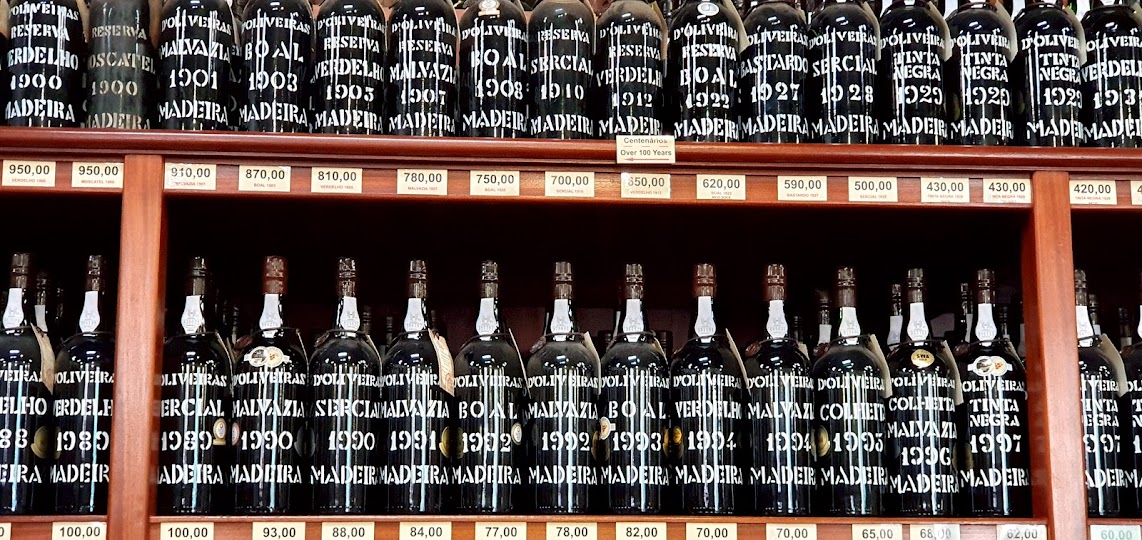
An intense afternoon for the wine trade in London today. A few weeks after a Madeira day, trade reps and media were invited by Westbury Pr to a walk around tasting of magnificent port bottles. All in all 19 tables with hundreds of samples, from simpler ruby to rare over fifty-year-old gems.

The Douro wine region was created one fine morning, on 10th September 1756, when Portugal decided to put some systematic order in the production of its most widely known and appreciated alcoholic drink. This makes Douro the oldest demarcated and regulated wine region in the whole world. 

It consists of two parts: Douro for regular wines and Porto for the iconic fortified brother. Today we focused on the latter.

Just as a reminder of port categories, here is how one should read the labels, and below a selection of my personal picks from a  superb collection put together by Westbury Communications for the Instituto dos Vinhos do Douro e do Porto.

Over a hundred varieties are allowed, but only five (Tinta Barroca, Tinto Cão, Tinta Roriz (Tempranillo), Touriga Francesa, and Touriga Nacional) are the most commonly used. White port is made with  Malvasia Fina, Donzelinho, Gouveio, Codega and Rabigato.

Ruby: wine usually made in steel. "Vintage" is given only for special years when the IVDP recognizes a potential for long aging, usually 3 or 4 times in a decade. "Late bottled vintage" is a ruby port that has spent longer in the oak barrel, at least 4 years, usually longer than that, and it develops more complex and subtle flavors as a result. 

Tawny: especially chosen for aging in oak casks. Wine is slowly exposed to air in the barrels. When an indication of age appears (10, 20, 30, 40 or 50 years) it means the wine has been produced blending products from different years to obtain a final result that in the opinion of the winemakers shows the characteristics for that age. It does not mean that all the wine is as old as indicated on the label.

Colheita: a Tawny wine that comes from a specific year's vintage. Aged in wood for at least 7 years and often 20 or more years.

Port sales worldwide have recently topped 80m bottles per year.

Here are the best bottles of today.


Dia and her Burmester treasures

Burmester

Colheita Tawny 2003, score 89

20 Year Old Tawny, smooth, score 92

40 Year Old Tawny, great balance, caramel, score 93

1967 Colheita, a surprise not in the original catalog! Complex nose and palate of dried apricots, caramel, very long, score 96, the best bottle today ex aequo.


Allegedly the oldest port house still in existence, founded in 1638.

50 Year Old Tawny. Complexity, balance, length: a harmonious wine, score 96, the best bottle today ex aequo.

40 Year Old WHITE, nutty, fragrant, score 94

30 Year Old WHITE, as above, a bit less evolved, score 90

Colheita WHITE 2003 and 2005, smooth, sweet sensations prevail, score 86


Garrafeira Tawny 1987, a smoky wine, unique, one may love it or leave it! Aged in demijohns which produces a smoky result. Nieport is the only house to use this process today. score 95 


Royal Oporto 40 Year Old Tawny, score 92 RRP GPB 120

Royal Oporto Colheita Tawny 1977, score 93 RRP GBP 140

Royal Oporto Colheita Tawny 1980, score 89


Mary Wright pouring 50yo liquid gold

Sandeman & Ferreira

Ferreira Dona Antonia 10 Year Old WHITE, score 86

Ferreira Dona Antonia 20 Year Old Tawny, score 88

Ferreira Dona Antonia 30 Year Old Tawny, score 92 RRP GBP 99

Sandeman 40 Year Old Tawny, score 90 RRP GBP 156, dry for its age.

Sandeman 50 Year Old Tawny, score 96, RRP GBP 330, a harmonious wine, the best bottle today ex aequo.

I could not have asked for a better bottle to end today's tasting.


Wine Regions of Porto and DOuro (image by I.V.D.P.)

subregions of Porto and Douro


Thursday, November 17, 2022

Brunello 2018 and Riserva 2017 "en primeur" in London

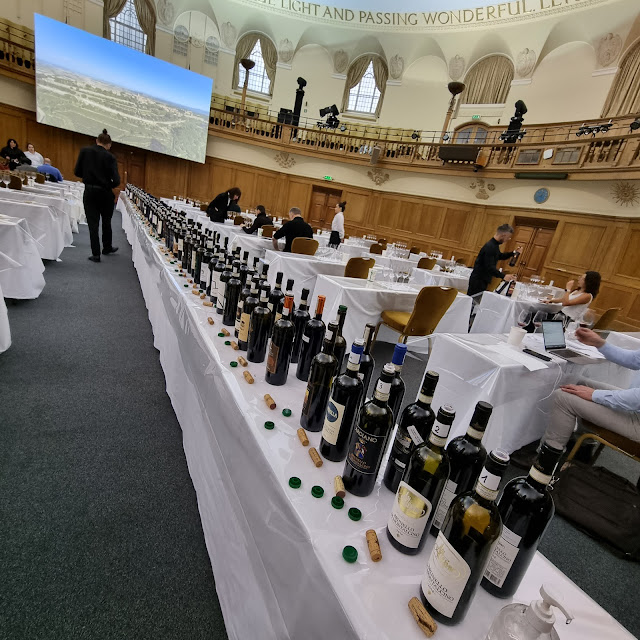
Exceptional tasting today of Brunello di Montalcino en primeur: 2018 vintage and 2017 "riserva" (aged one extra year). Kudos to the organizers Hunt and Speller, a sure bet when talking Italian wine in London. Unusually, instead of the traditional walkaround, we were assigned individual tables and a team of helpful waiters and waitresses poured the wines we requested in batches of six. A much more pleasant and efficient organization. Presumably the first event of such kind in the UK!

A few facts from the useful catalogue provided: Montalcino only sports 2000 ha of production for Brunello and 500 ha for its little brother Rosso di Montalcino and this total surface area has not increased for some time. What has increased is the world's knowledge and appreciation for Brunello's 10 million bottles or so that hit the market every year! These are lovingly cultivated by some 260 producers.

Some dates to remember: DOC received in 1966, Consorzio Brunello di Montalcino created in 1967, DOCG received in 1980.

Not that anyone needs reminding, but Brunello can only be made with 100% sangiovese, the iconic Tuscan variety. Maximum yield is 52 hl/ha. Minimum 24 months aging in oak casks, minimum 4 months aging in bottle (6 for riserva) and release not earlier than 1st january of the 5th year after harvest (6th for riserva).

One reason Brunello is so popular, despite rising prices, is probably that it is a versatile wine: its velvety elegance can be paired with a wide range of food: obviously red meat but also many pasta sauces and lots of roasted or baked dishes, including fish.

Below a few tasting notes for the best of the best today. It was a hard choice as all Brunellos are good wines, most are excellent and quite a few are exceptional. But here is my list of stars which I scored 90 and above, best on top.

Let's get started!


Pian delle Querci, 2017 riserva, 97

Tenuta Conte Pavoni - Loacker Wine Estates, 2017 riserva Molino al Vento, 40yo vines,biodynamic, 97

Fattoria dei Barbi, 2017 riserva, some vines 45+yo, 96

Casa Raia, 2018, 47-year-old vines, organic, 96

Patrizia Cencioni, 2018, 96

Fattoria dei Barbi, 2018 Vigna del Fiore, 96

Pian delle Querci, 2018, 96

Casisano, 2017 riserva, 95

Ruffino, 2018 Greppone Mazzi, organic, 95

Ruffino, 2017 Greppone Mazzi riserva, organic, 95

Castello Banfi, 2017 riserva, needs time, 94

Salicutti, 2017 Teatro, 94

Fattoi, 2017 riserva, 94

Capanna, 2017 riserva, 40+yo vines, 94 

Col d'Orcia, 2015 riserva, 45yo vines, 93

Tenute Silvio Nardi, 2018 vigneto Manachiara, 93

Mocali, 2017 riserva, 93

Paradiso di Cacuci, 2017 riserva, organic, 92

Altesino, 2018 Vigna Montosoli, organic, 92

Le Gode, 2018 Vigna Montosoli, organic, 92


See you next time