Thursday, March 9, 2023

Sangiovese day in London

Massive and very informative tasting organized by Hunt and Speller in London, this event brought together over 100 producers of sangiovese from Tuscany, of course, as well as Romagna, Umbria, Marche and Basilicata. We learn a lot from the booklet distributed to the participants as well as from a masterclass dedicated to sangiovese from the Romagna region.

Today there are over 65,000 hectares of sangiovese planted in Italy, about 10% of all vineyards in the country, and it is therefore by far the most popular variety. It is featured in 112 DOC and DOCG as well as 88 IGT (indicazione geografica tipica, roughly the equivalent of the French vin de pays).

Its history goes back a long way: first mentioned in the XVII century, the name means "the blood of Jupiter", and it is attributed to monks from Romagna. Recent DNA research proves sangiovese is a cross of Ciliegiolo, a Tuscan variety with which is now frequently blended, and the almost extinct Calabrese di Montenuovo.

While sangiovese is mostly known because of Chianti and Brunello, it is the only variety planted on both sides of Apennines, originally by monks. Quality wines mostly to be found on hills. It is in Romagna that we find the oldest vines of the country, sangiovese plants that are over 90 years old.

Originally and for a long time sold in bulk, in the 1970s some producers began began bottling, looking for quality and enjoyment and not just calories and nourishing.

Now there are about 6000 ha of sangiovese in Romagna, mostly on clay soil. Prices still quite low but edging up as quality and recognition improve.


Walkaround tasting

Isole e Olena

2020 Chianti  Classico
Fruity, can feel the alcohol. Score 88

Cepparello 2019 IGT
Olena's battleship, powerful wine still young, with a complex and long finish. Score 90

Interesting story that of Isole and Olena, recently sold to a larger group.

Castello di Vecchiomaggio
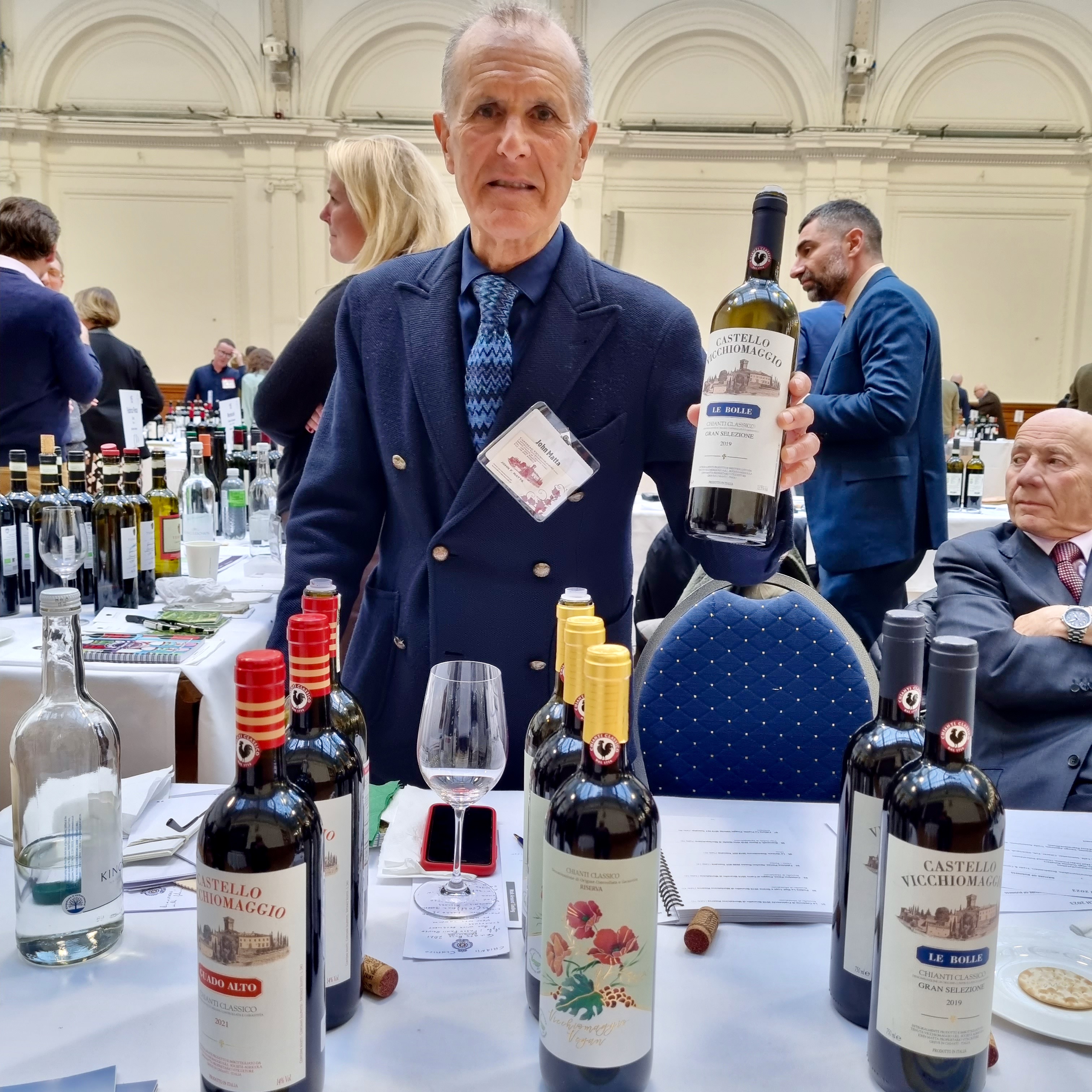

Chianti Classico Guado Alto 2021 
A wine to be drunk young, fruity and straightforward, like a Chianti of the good old times. Score 90

Chianti Classico Riserva 2021
A sublime chianti with elegance, finesse, length and yet a strong personality. Score 92

Chianti Classico Gran Selezione 2020 Le Bolle
Ready, strong structure, complexity and length, a classic in the true sense of the word. Score 93

Tiezzi

Poggio Cerrino 2017 Brunello
Structured, still hard sensations prevail, need time. Score 92

Poggio Cerrino 2015 Brunello
This vintage is ready now. Score 93

Fuligni

Brunello 2018
Balanced and ready. Score 88

Brunello Riserva 2016
Old vines, complex. Score 91

Brunello Riserva 2012
Balanced and ready, very complex. Score 93

Brunello 2007
At its peak. Score 92

Tenuta Buon Tempo

Brunello 2018
Native yeasts only, large wood vat and French oak for 3 years. Score 92

Brunello 2015 Riserva
Ready now, a full, elegant complex wine, one of the best I tasted today. Score 94

Frescobaldi

Chianti Rufina Riserva 2018 vecchie viti
A round wine, their entry product falls easily in the space of excellence. Score 92

Chianti Classico Tenuta Perano Rialzi 2018
Round, complex and long. Score 94

Brunello Castelgiocondo 2018
A harmonious wine, a top Brunello. Score 96

Brunello Ripe al Convento 2017 Riserva
The best today, this wine has it all, intensity, complexity, length, balance. Score 97

Cupano

Brunello 2014
Round, smooth, elegant. Score 93
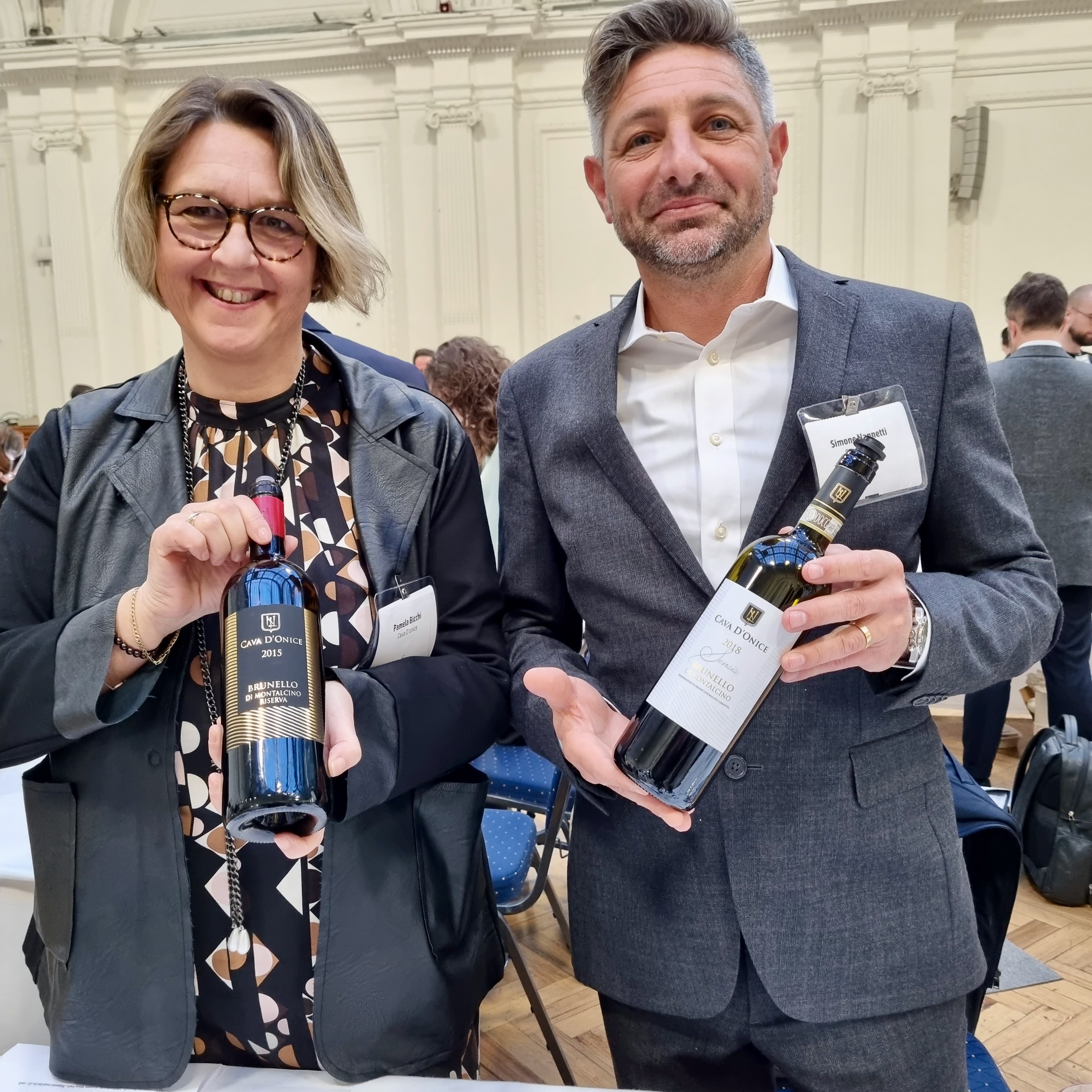

Cava d'Onice

Rosso di Montalcino 2020
Blend from 11 plots, large Slavonian vats. Score 88

Brunello 2018 Colombaio
Only half an hectare of young vines: need to wait for this one. Score 90

Brunello 2015 Riserva
Pronto, mineral, sapid. Score 94

Tasting of wines from Nova Scotia, Canada

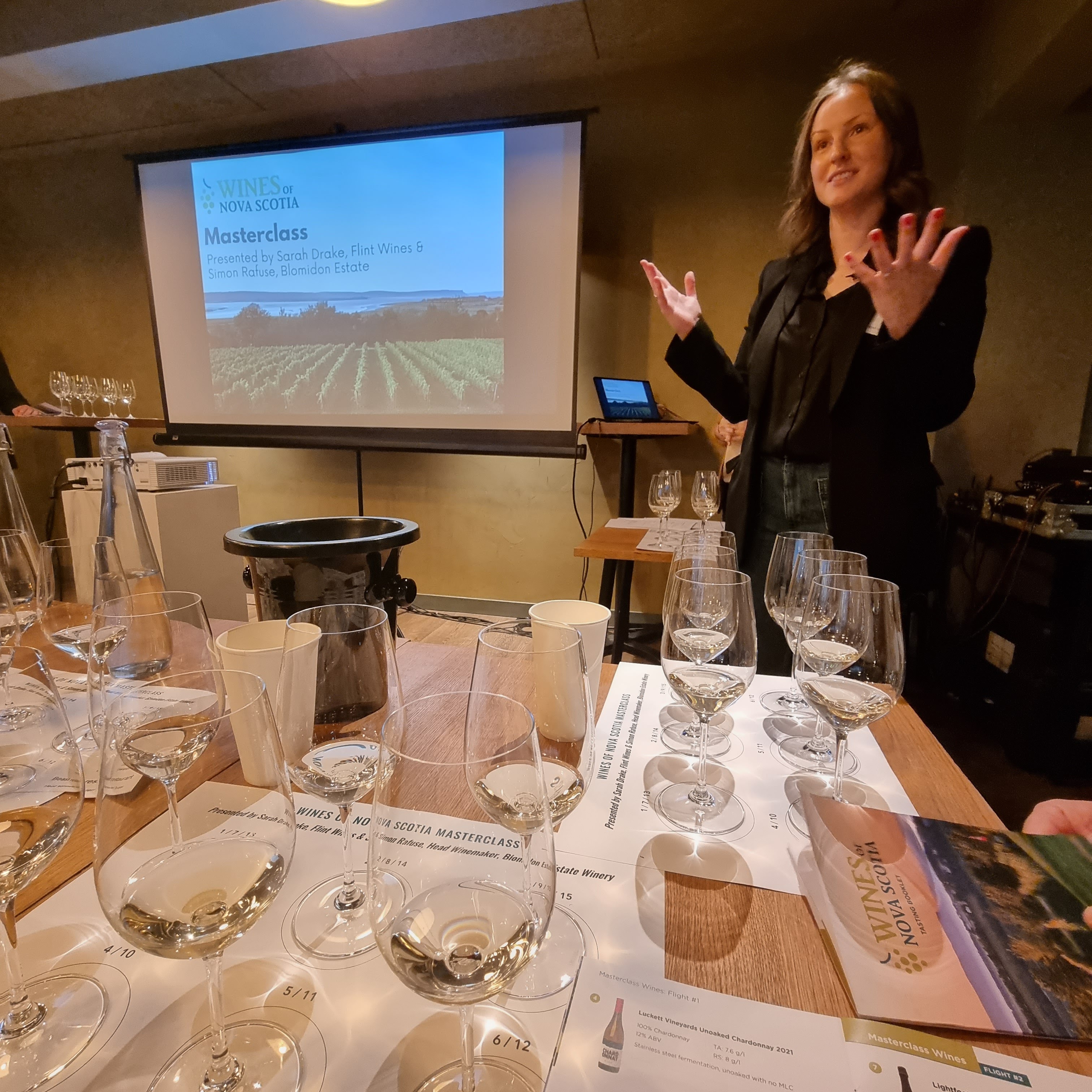
Masterclass by Sarah Drake, Flint Wines

Masterclass

You may not have heard of wines from Nova Scotia, on the eastern coast of Canada, and neither had I before I was invited to this tasting, a first in London, by Westbury Communication. Ontario, yes, British Columbia, yes, Prince Edward County, yes, but Nova Scotia? And yet it is there that wine was first made in Canada, in the XVII century. The first winery was planted at Bear River in 1611. The second winery was established at Petite Rivière in 1633. One would have to wait over two and a half centuries, until 1980 for the first commercially viable winery to start operations at Grand Prè under pioneer Roger Dial.

Wine production in Nova Scotia, like for the rest of Canada, was inhibited by prohibition in the early part of the XX century, and there were dry areas until 1980s where there was a legal need to hold a plebiscite to make wine. Despite these difficulties, altogether, 63 varieties are grown to produce 2,500+ metric tons of wine grapes (2021) over 485 hectares.

Nova Scotia is the home of a typical Canadian grape, the Arcadie Blanc, a hybrid crossing that was produced in the 1950s. It now makes for some 30% of all wines in Nova Scotia. 

There are now 35 wineries, and another couple of dozen growers who sell their grapes to them, all in all a small number for a population of 1m people. The geographical location is somewhat isolated which does not help with trade in general and wine trade in particular. In Canada each province is like an independent country, limited exports from one to another.

Climate difficulties are predictably severe, in March 2023 they just had frost at minus 25 Celsius, and lost almost all harvest. Harvest, when it does happen, is a long process because of the slow ripening of the berries at this latitude. Picking bunches from the vines usually starts in September and it can go on until well into November.

25% of production goes to sparkling wines, not surprising given the high levels of acidity resulting from the cool climate. Outside Canada export to many countries but small quantities. A rising share of production is consumed by local youth, who like some of the very low alcohol drinks that are even sold in cans to please soda drinkers.

There is one controlled origin appellation: Tidal Bay, a unique feature in all of North America. Wines must pass a panel tasting to be labeled in Nova Scotia, if they don't satisfy the judges the winemaker has to go back and modify the wine for another try. Officially launched in June 2012, it is a crisp, aromatic white wine. The name Tidal Bay was inspired by the fact that this is home to the biggest tidal differences of water level in the world.

Overall, Nova Scotia makes quite a few good wines and some excellent ones, and while more work may be required to catch up with some other Canadian provinces, it is an interesting emerging wine region to monitor in the years to come.


map from vineyards.com


Selected tastings

Lightfoot and Wolfville Tidal Bay 2021
50% Arcadie blanc et al
Zesty, hard sensations prevail, apricot in the nose. RRP £20
Score 86

Planters Ridge, Tidal Bay 2021
Blend of arcadie blanc, chard et al.
A crisp aromatic wine. RRP £34
Score 88

Luckett Vineyards, Tidal Bay 2021
Blend of arcadie blanc, chard, ortega et al
Rounder than the previous wines, longer. RRP £32
Score 89

Blomindon Reserve Chardonnay 2020
Barrel fermented for a round, balanced wine with good complexity. RRP £34
Score 90

Lightfoot and Wolfville Brut 2017 sparkling
100% chard
Light fragrance, on the fresh side but mod complex and long. RRP £35
Score 88

Benjamin Bridge Brut 2017 sparkling
Wild yeast fermentation in large French oak barrels produce a fragrant wine with a slight bitter ending. RRP £38
Score 87

Blomindon blanc de blanc 2011
100% chardonnay
Balanced and fragrant, still development potential. RRP £56
Score 89

Blomindon Grande Reserve 2008
100% chardonnay
Complex,  round and long with toasted notes. Only 11.4% abv. The best wine today, and it shows how Nova Scotia quality wines can age. RRP £78
Score93

Luckett Vineyards traditional method sparkling NV
arcadie blanc 100%
Fragrant, mod complex and long. RRP £37
Score 90


Friday, March 3, 2023

Meet the Producer: Heras Cordon, Rioja, Spain

The Heras Cordón vineyard in Rioja should be better known. I have been introduced to them at an online fair organized by Onvinum in 2022. 

From their website we learn about their history. The family tradition in wine elaboration dates back to the end of the 19th Century, when they built the first cellars in their hometown, Lapuebla de Labarca in Rioja Alavesa.

During the first years, the wine was meant for local consumption; it was not bottled but primarily sold in bulk. The clients were locals and the amounts of production and consumption were rather small.

Wine production came to a halt during the Spanish Civil War from 1936 to 1939. In the 1950’s, the winery was modernized and the production of Crianza wines started, with oak barrels of primarily French origin.

In the 70’s, taking advantage of the country’s modernisation, Heras Cordón Wineries and Vineyards launched its Crianza and Reserva wines into the national market. Its acceptance and growth was spectacular, in fact, the process reached its first peak in the 80’s, when the three siblings, who are currently the owners of the winery, set up a vine plantation company, becoming a national benchmark in that activity. Read more here.

Here below are my reviews of the wines they provided for tasting.

Heras Cordón Reserva 2015
Tempranillo (97%), graciano and mazuelo.
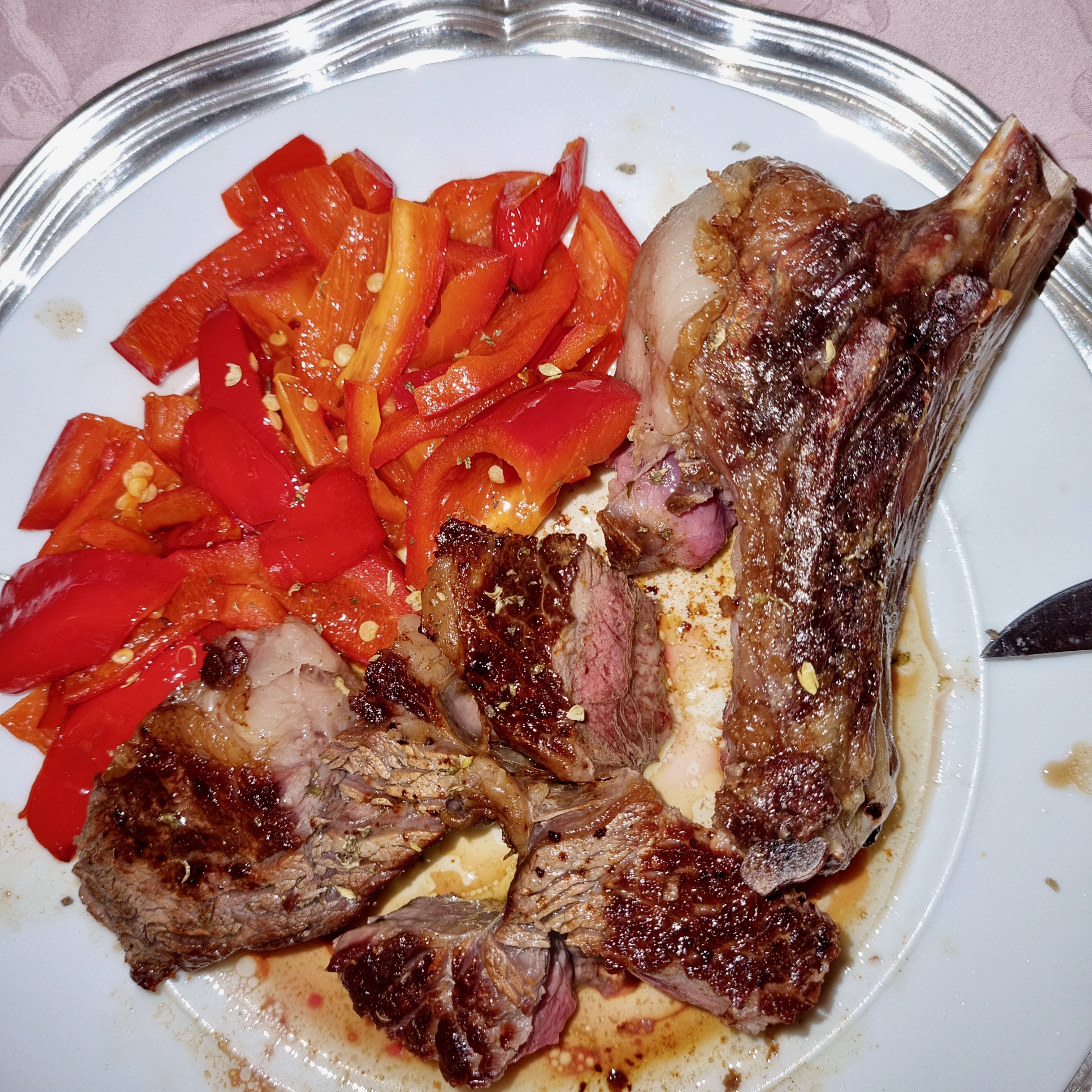
Incredible bottle this RESERVA from Heras Cordon in Rioja. The 2015 is eight-years-old at the time of this tasting and it is a marvelous feast of complex aromas, perfect balance and great length. The tannins are superbly rounded though they still offer structure. I paired it with a "boomerang" steak and it was a match made in heaven.
Score 95.


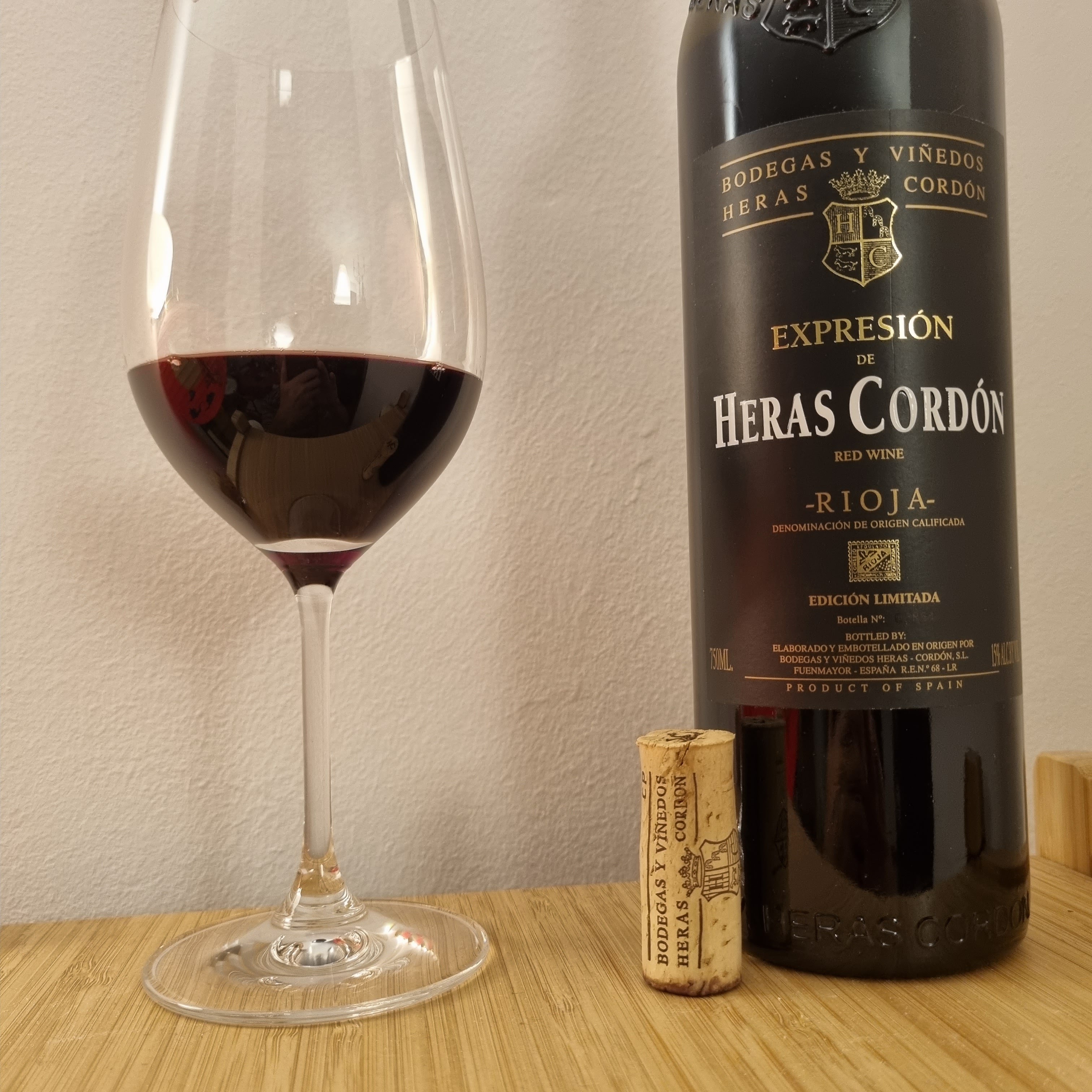
Expresión Limited Edition
Another great hit by Heras Cordon, this tempranillo is perfectly balanced, complex and long. It is ready now though still lots of fruit to show. ONly 5651 bottles came out of the cellar, grab one if you can! Score 93


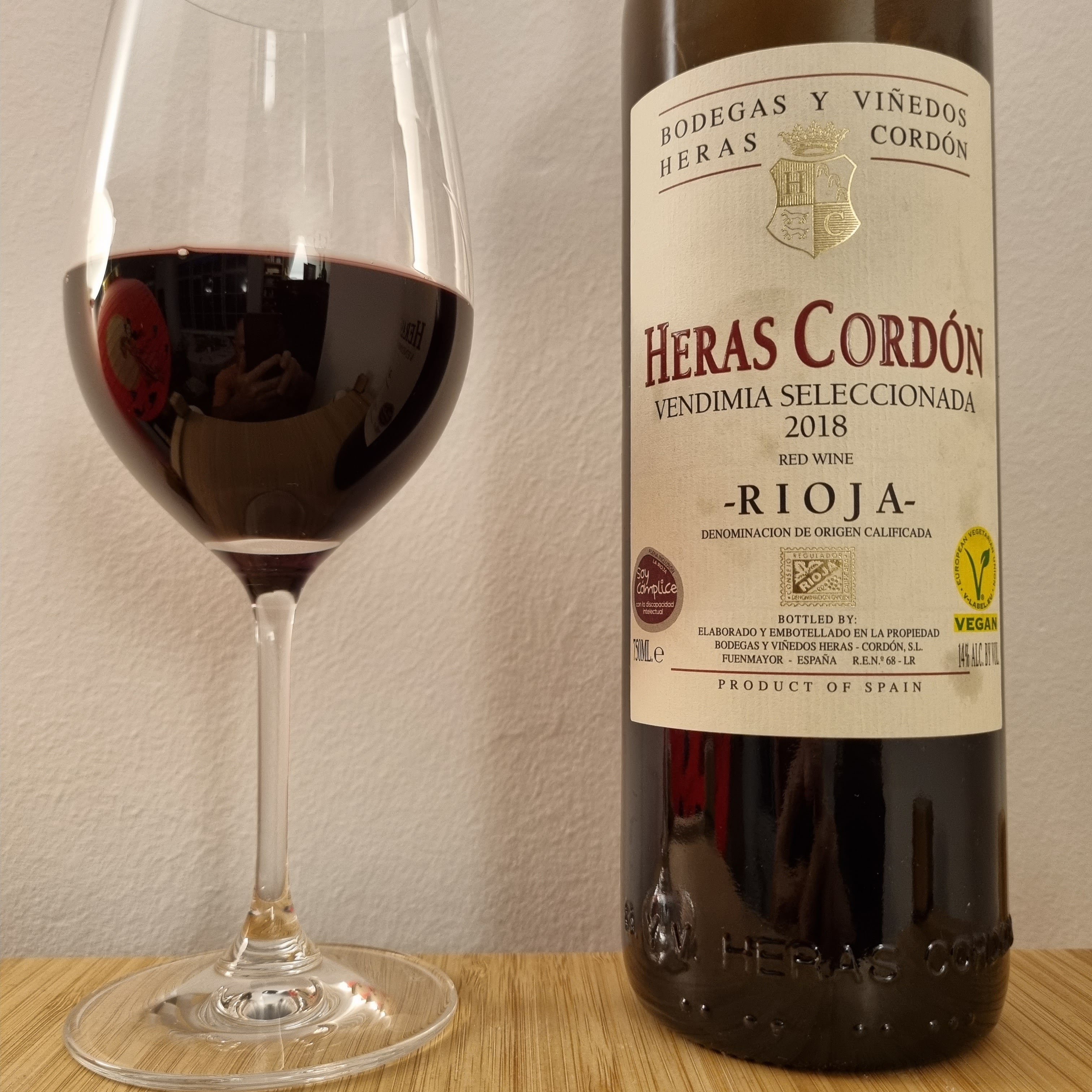
Vendimia Seleccionada 2018
Tempranillo, graciano and mazuelo from old vines. Thirteen months in new French and American oak.
This  is a great wine, and looking at the main online retailers can be had for less than 20 euro. Intense ripe cherries to start, followed by smooth tannins and a complex and long profusion of secondary (prunes, mature wild berries) and tertiary (leather, chocolate) notes. Paired with aged beef. Score 94


Monday, February 20, 2023

Furmint walkaround tasting in London

Vintner's Hall Seal

Fifth London edition of this event, with some 100 wines presented for tasting to a trade crowd that filled the room at Vintner's Hall on a cold February morning. As Caroline Gilby, an expert of Central European wines put it, furmint is now not only recognized for its traditional sweet wines, but for fresh dry ones as well.

Below are some notes from the wines I found most interesting.


Szamorodni 2015 dry furmint, 15%
The best wine from this producer, nutty with a pleasant bitter ending. Score 91


Vision 2019, furmint and hárslavelü, kabar, 13.5%
Their entry level dry wine, fresh with a good balance. Score 90

Expression, hárslavelü, 14%
French oak makes for a rounder final result. Score 90

Intuition, Furmint, 13.5%
Zesty, intense aromas. Score 90


Mezes Maly Dry Szamorodni furmint, 2016, 12.5%
Fully dry fermented after botrytis but loses alcohol during maceration. Score 90

Blue Label Aszu 5 puttonyos 2017, furmint and hárslavelü, 11%
Sweet. Score 90

Nyulaszo Aszu 6 puttonyos furmint 2017, 10-5%
Their best sweet. Score 92

Monday, February 13, 2023

Meet the producer: Lajas, Finca "El Peñiscal", Calatayud, Spain

A Calatayud wine region map leads us to the north of Spain, in mountainous Aragon. It is in the province of Zaragoza, in the Ebro river valley. The history of the Calatayud Spain wine region dates back to ancient times. It was the 2nd century BC when viticulture first emerged in the area. In Roman times, vines were planted all over Spain. Later, the Moors inhibited wine production. The Christians restarted it in the 12th century, the monks of Monasterio de Piedra actively encouraged vineyard planting. The monastery's cellars testify to the vital role of wine throughout the region. 

Calatayud shown in dark purple


Since the region earned the appellation status and became an authorised DO (denominación de origen) in 1990, it has never ceased the production of high-quality wine, making the appellation prestigious and attracting winegrowers from Europe and all over the world. (Winetourism.com)

Samples received from the producer in the context of the 2022 Onvinum wine fair. 


rare bottle, n. 430 of 4313!

Intense aromas, complexity and moderate balance for this rare Garnacha, it is ready now but may benefit from a few more years in the bottle. I found it best several hours after opening the bottle, in fact the next day. 


I paired it with a mouth watering steak on the bone cooked medium rare. The tannins matched the succulence by contrast and the strong structure of wine and food married by concordance. Strongly recommended with any kind of steak.

Score 89


What was supposed to be a simple garnacha revealed surprising complexity and perfect balance. Kudos to Aris by Peñiscal! Watch out its 15%abv! I paired it with a plate of hearty lasagne.
Score 92

Tuesday, February 7, 2023

New Zealand Top 50 wines


Quality keeps getting higher and higher every year, and so do, alas, prices for premium New Zealand wines. Part of it is due to externalities (global inflation, logistics bottlenecks) but part is probably just because the best NZ wines attract more and more demand.

In the context of the Annual New Zealand Trade Tasting in London, organized by NZ Wine Growers, a separate table was set up for the "best 50" wines selected by an independent panel of UK experts. I will focus my post on my best of the best among these.


Tiwha pinot noir, 2019
Old vines planted in 1994, a wine made from destemmed fruit which is given a cold soak for 4 to 6 days and then matured in barrel for 10 months, using 28% new French oak. The best wine today. RRP £40. Score 94


Esk Valley The Terraces 2016
A blend of malbec, merlot and cab franc makes for a unique experience, a round wine with complex aromas and flavors. A bit of an investment at RRP £90 for a score of 92

Pegasus Bay, Waipara

Bel Canto Dry Riesling 2020
A floral and zesty wine by Ivan Donaldson who planted his first Pegasus vineyard in 1986. Single vineyard. Score 88

Pinot noir 2019
Made using traditional Burgundian techniques, single vineyard. RRP £36. Score 92

Aria, late picked Riesling 2020
Plump fruit still freshness come out but is balanced by a slightly sweet ending. RRP £27. Score 88


Sauvignon blanc 2020, organic
Apricot notes, quite an original interpretation of sauvignon. RRP £26. Score 91


State of Flux sauvignon blanc 2019
A balanced and long wine from a single vineyard overlooking the Awatere river. The name comes from the fact the wine has been fermented and aged for 11 months in concrete eggs with the lees kept in "state of constant flux". RRP £27, Score 92


Chardonnay 2019, organic
A fresh and moderately complex chard. Too expensive. RRP £34. Score 86


Tuturi Pinot Noir 2021
A powerful wine on the border of excellence. Ready now. RRP £45, Score 90


Thomson pinot noir 2017
Tannins still a bit rough but very promising.
Smoky and jammy. RRP 44. Score 90


Monday, February 6, 2023

Wines of Austria trade tasting in London

It is not often that the wines of Austria are on display at a trade tasting in London, and so I was most grateful for the opportunity to participate in this event expertly organized by Austrian Wine.


Austrian wine regions are all in the east of the country

Some relevant facts learned today.

Today Austrian wines are 68% white (Grüner Veltliner is top with 32%) and 30% red (zweigelt at the top with 13%).

These are grown over some 45,000 hectares of vineyards (about 1% of the world wine production) with some 15% now certified organic and 18% certified "sustainable."

In addition to a large walkaround choice of wines, a few masterclasses were offered as well, and it is on two of these that I will focus my post.

Masterclass 1: Zweigelt in Neusiedlersee

A few dates by way of introduction:

1922: successful crossing between St Laurent (an early ripening, delicate fruit grape) and blaufrankisch (a late ripening grape with firm tannins) to produce zweigelt.

1950s: many experimental vineyards are launched

1960s-70s: significant increase in production, 770 ha in 1978.

1992: first designated area of origin Rubin Carnuntum, zweigelt becomes the top red grape in Austria

2012 DAC  (Districtus Austriae Controllatus) granted.

Below some notes from the best wines (all zweigelt) I tasted in this masterclass:

Seegut Lentsch - Podersdorf Neusiedlersee, Ried Seeweingärten DAC reserve 2017
Firm tannins, mod complex and length, vegan certified. Score 88

Hannes Reeh - Andau - Unplugged 2015
feels older than 2015, balsamic notes, leather, perfect balance. Score 90

Georg Preisinger - Gols, Ried Dorfweingarten 2009
Feels much younger, still zesty. Cassis, blackberry. Ready but with potential in the bottle. Score 90

Allacher Vinum Panorama - Gols, Ried Altenberg 2001
Well aged, smooth, leather, game, soya;, mature now! Score 93

Weingut Pöckl - Mönchhof, Cuvée Admiral 2011
Complex and long, ready now. Blend of zweigelt (60%) with cab sauv and merlot. Score 92

Masterclass 2: Kamptal in Neusiedlersee Grüner Veltliner (GV) and Riesling DAC

All in all I found the quality of the whites in this masterclass superior to the zweigelt of the previous one. Of course I am comparing apples and oranges, but today confirmed the axiom that Austrian whites fly higher, for now, than reds.

GV Langelois "friendly by Laurenz V" 2021
Typical freshness and aroma, balanced result probably because of 35yo vines. Steel only. Score 90

GV Langelois "Alte Reben" 2021
Powerful flavors from late picking on 45yo vines. Steel and Austrian oak. Score 92

GV Ried Schönberger Kalvarienberg 2021
Fruits and flowers, good balance and length. Score 92

GV Reserve Ried Schenkenbichl "1ÖTW" 2021
Floral nose then  balance and even smoothness ending. Score 93

GV Ried Grub "1ÖTW" 2020
Another surprisingly smooth wine, balance and length. Score 92

Riesling Ried Heiligenstein "1ÖTW" 2021 Eichinger Birgit
Not yet open, yet already strong typical riesling with notes of tropical fruit, needs time to excel. Score 92

Riesling Ried Gaisberg "1ÖTW" 2016
Petrol as it should be, dry and long. Score 93